
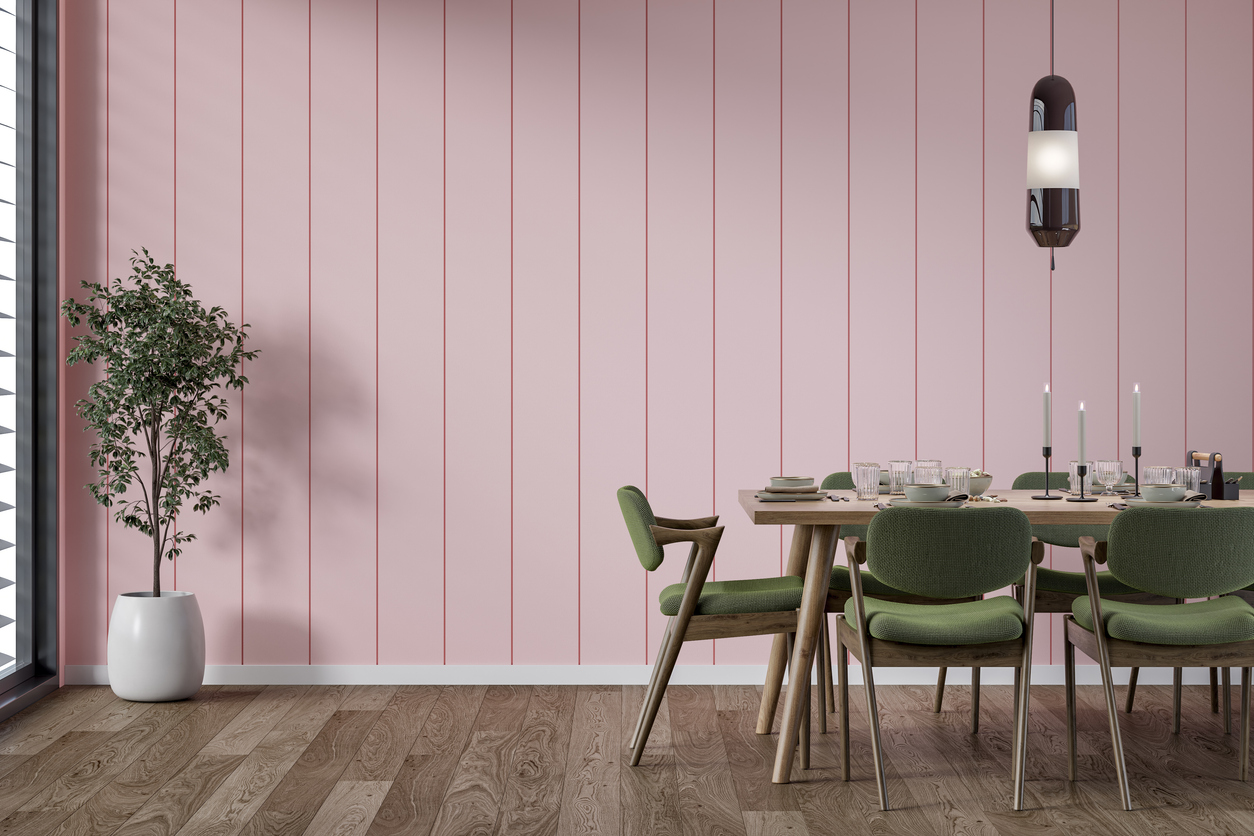
A few years ago, a wall of white shiplap felt like the finishing touch. You ran the boards behind the sofa or up the bathroom wall, filled the nail holes, and the room finally looked like the ones on TV. Now you walk past it and something feels off, as if the wall belongs to a renovation show rather than to your house.
That feeling is not your fault, and you did not pick a bad material. Shiplap went mainstream around 2015, when Chip and Joanna Gaines used it on almost every surface on HGTV’s Fixer Upper, according to Homes & Gardens. A look that lands in that many homes at once is bound to read as a date stamp later. Designer Kelley Kolettis, founder of Kelley Kolettis Designs, told Real Simple that designers are moving toward a more polished look and leaving the shiplap era behind.
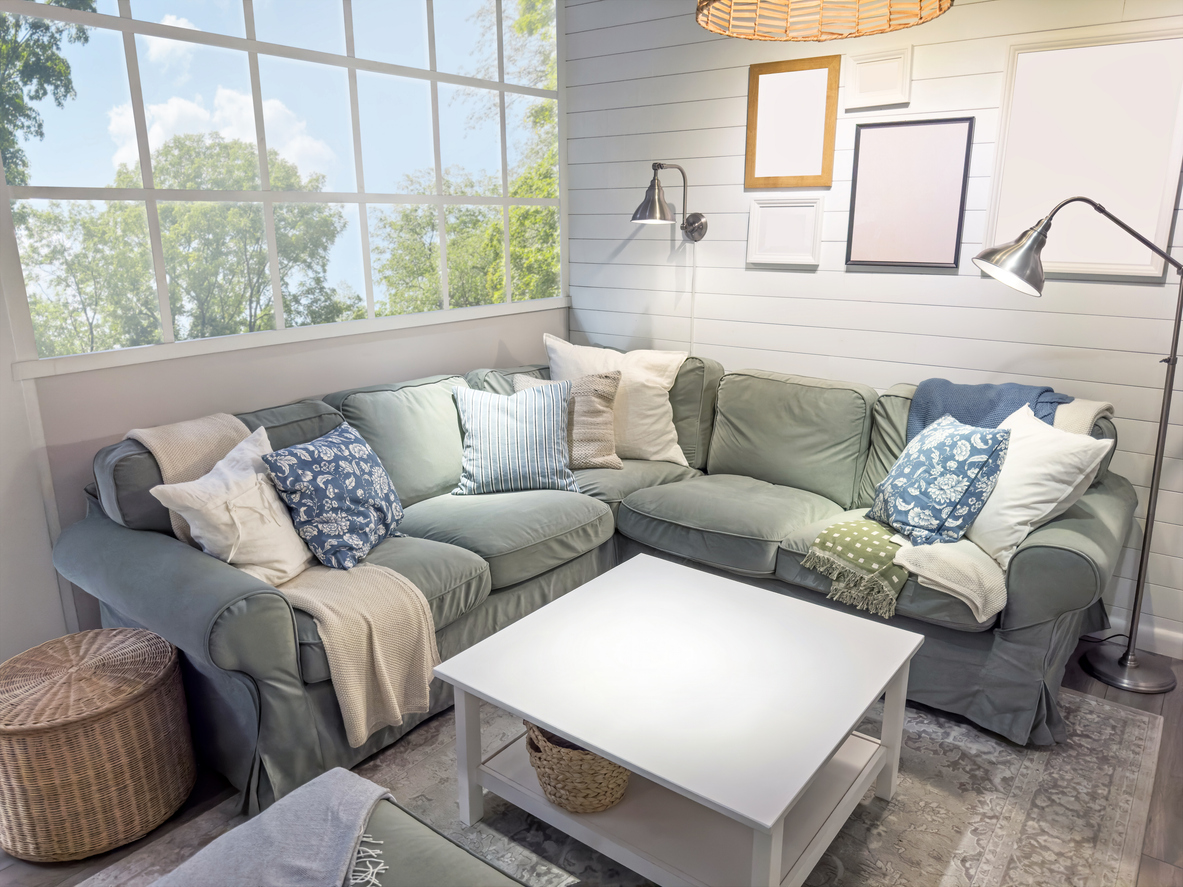
Table of Contents
Why the shiplap wall starts to look dated
The boards themselves are not the problem. The style that usually comes with them is. Designer Ginger Curtis of Urbanology put it plainly to Homes & Gardens: “Shiplap is out if it pulls a farmhouse vibe.” White boards, rustic accents and a farmhouse sign on top turn one wall into a theme.
There is also a flatness issue. Hannah Griffiths, founder of Studio Palindrome, told Real Simple she expects draped fabric to take over from some of the harder, flatter accent walls of the past few years. Evenly spaced lines repeat the same pattern across the whole surface, so the wall gives the eye very little to discover.
What designers are putting up instead
For 2026, the designers Real Simple interviewed point to four options that add depth rather than pattern:
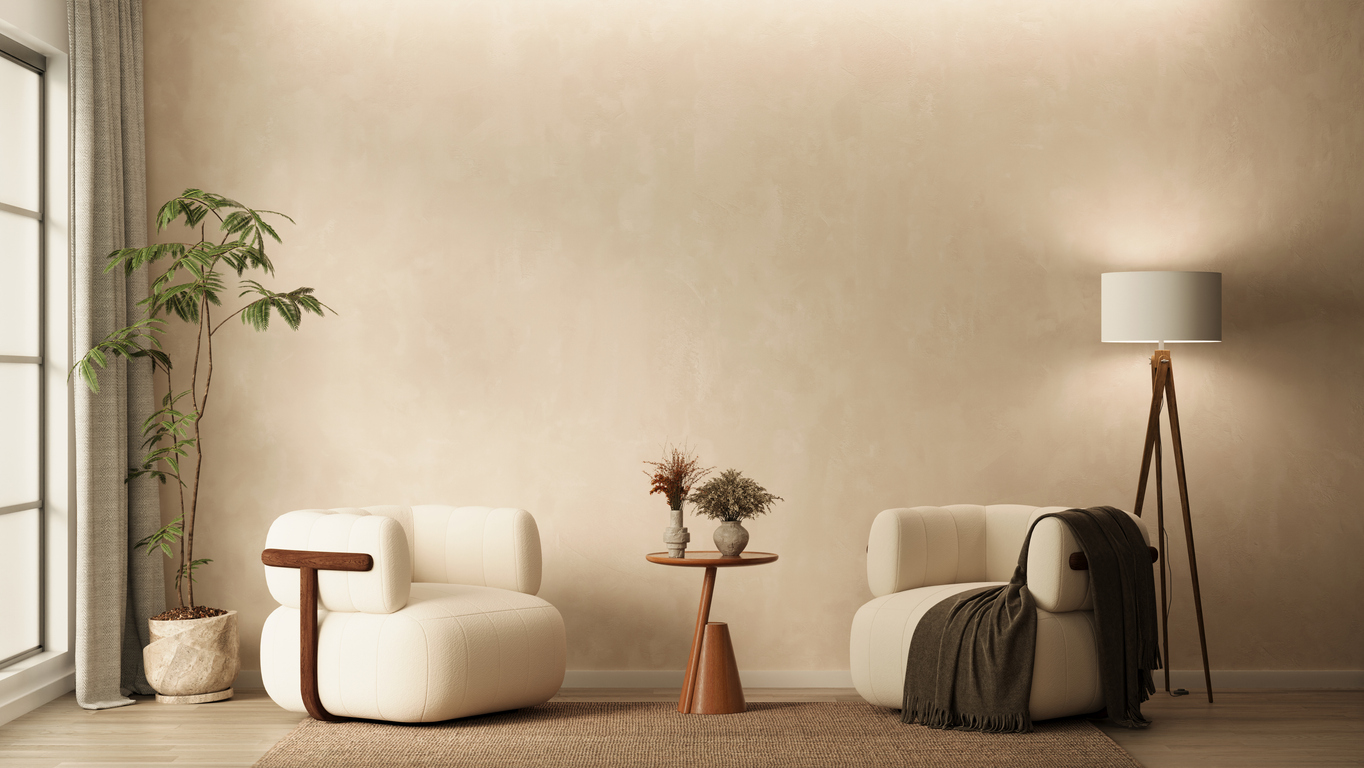
- Limewash or plaster. Lauren Saab, founder of Saab Studios, says these finishes shift with the light over the course of a day and give a wall a handmade quality. She suggests them for rooms with good natural light, such as entryways, dining rooms and bedrooms. If the look appeals, our piece on limewashed walls explains where it works and where it doesn’t.
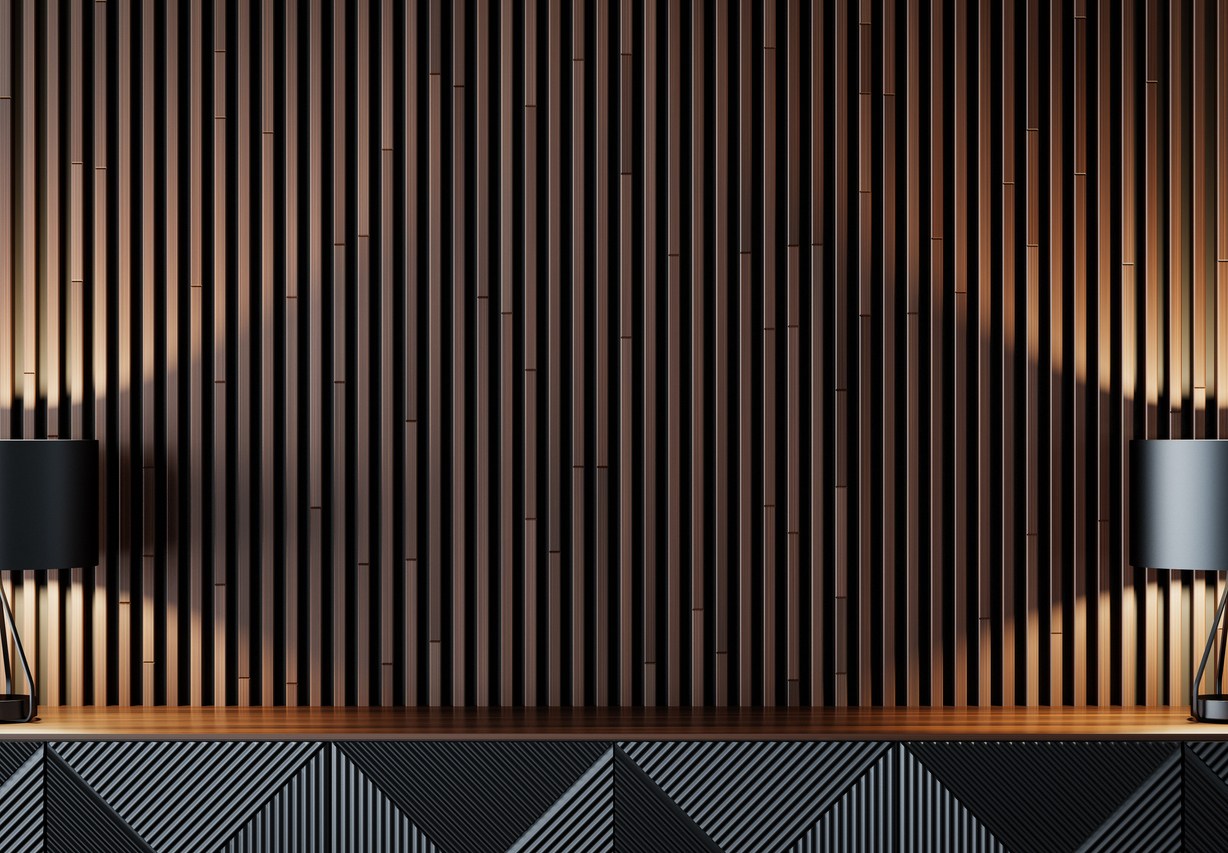
- Paneling with real relief. Saab expects paneling to keep growing, with inset molding and warm wood tones adding dimension. “People want architecture they can feel,” she told Real Simple.
- Draped fabric. Griffiths sees fabric hung as an accent wall behind a bed, as a partition between spaces, or across a doorway in place of a door. She notes the idea is already common in hotels.
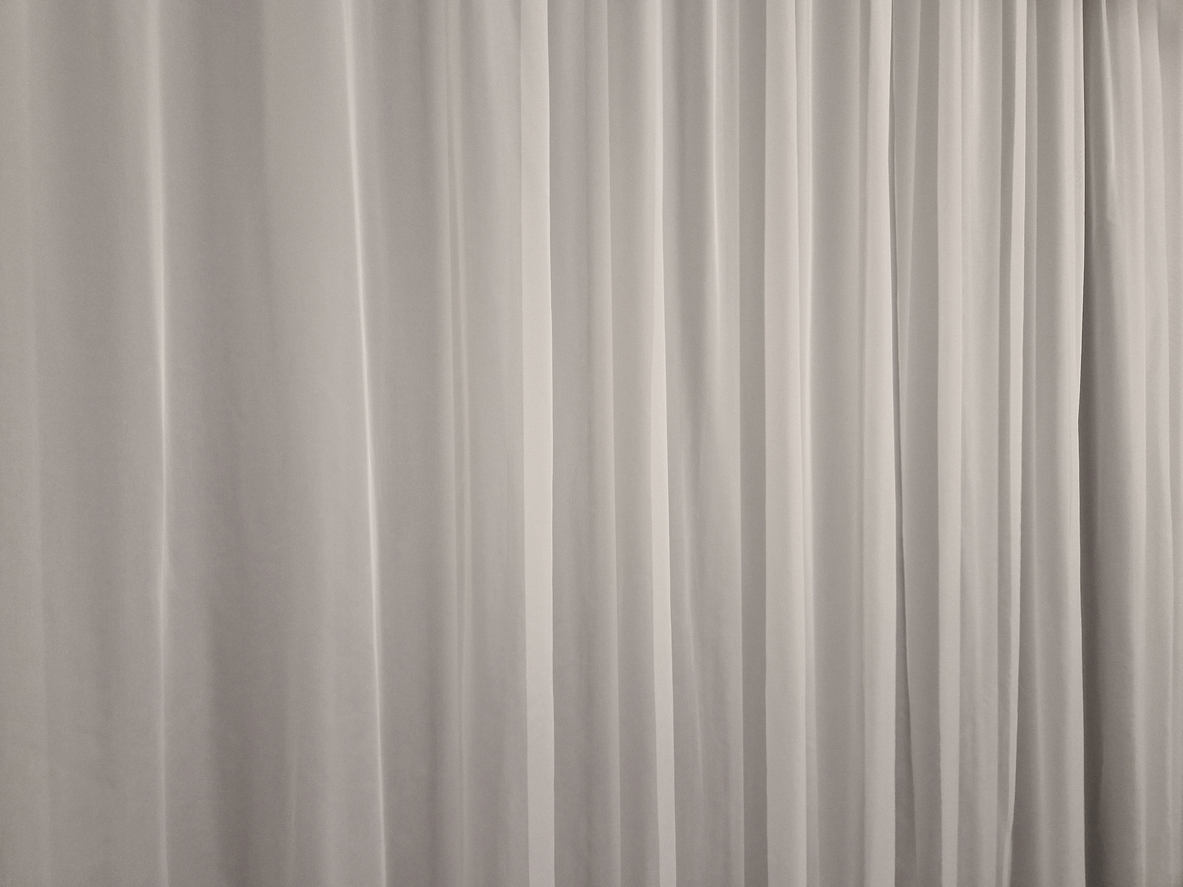
- Picture frame molding. Kolettis expects it to stay popular as a less intensive option than full paneling that still gives a flat wall some structure.
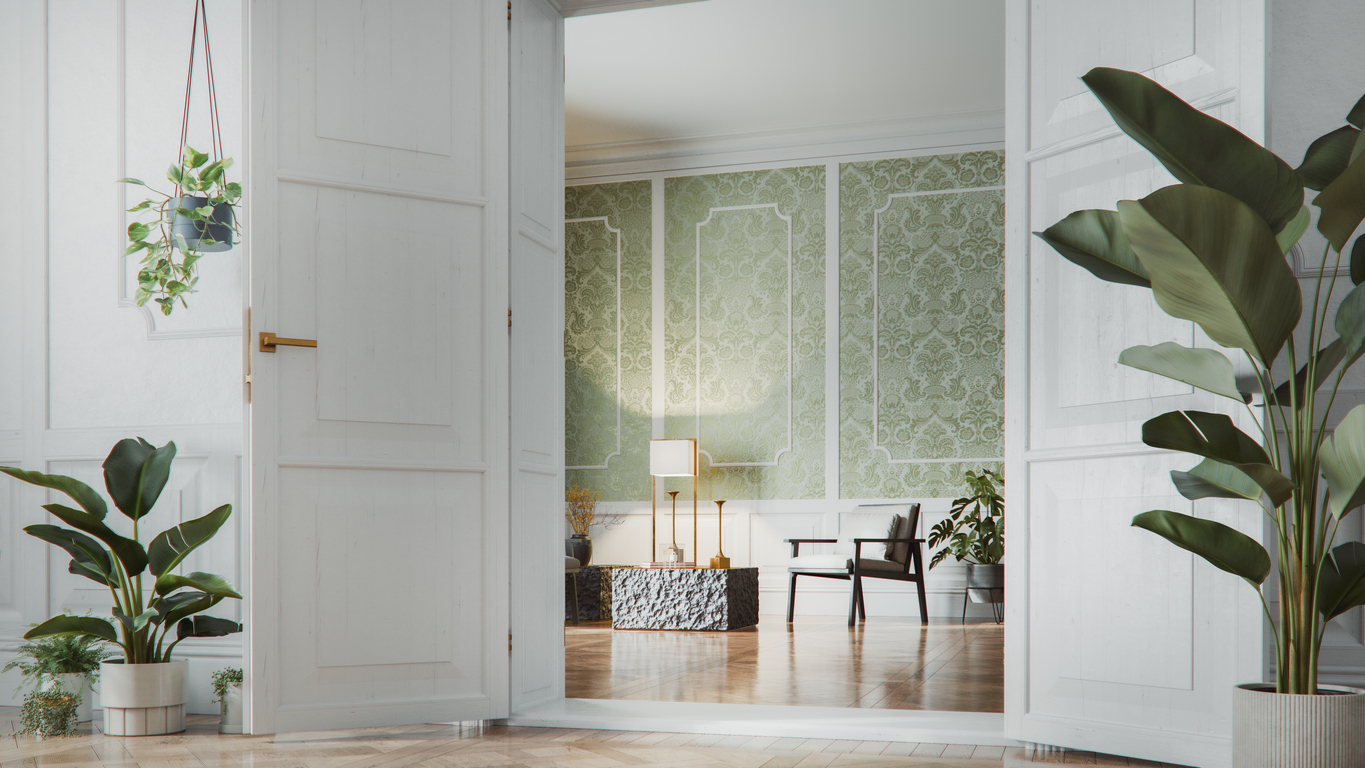
Painting the molding the same color as the wall keeps it quiet and lets the shadows do the work, the same thinking designers apply when they say goodbye to bright white baseboards.
Keep it, repaint it or take it down
You may not need to tear anything out. Designers are not unanimous. Several told Homes & Gardens that shiplap still works when it is used sparingly or in a more modern way, and designer Tiffany Duggan of Studio Duggan still likes it in back-of-house rooms such as mudrooms and laundry rooms. Jennifer Walter of Folding Chair Design sees a shift away from white boards toward moodier colors like deep green and burgundy, which makes a new coat of paint the gentlest update. Designer Julia Dempster mentioned board and batten or reeded panels as other ways to keep texture.
Each option has limits. Limewash suits porous surfaces and is a poor match for damp or high-traffic spots. If you decide to remove the boards, the wall underneath may need repairs before any new finish goes on, so get a contractor’s opinion if you are unsure what is behind them. Renters should ask the landlord before adding or removing anything on the walls.
The wall that once made your room look finished can do it again, with a little more depth this time. That’s the trick.
WHAT DO YOU THINK?